Energy Chokepoints Are Back at the Center of Global Power
Date
Apr 19, 2026
Category
Uncategory
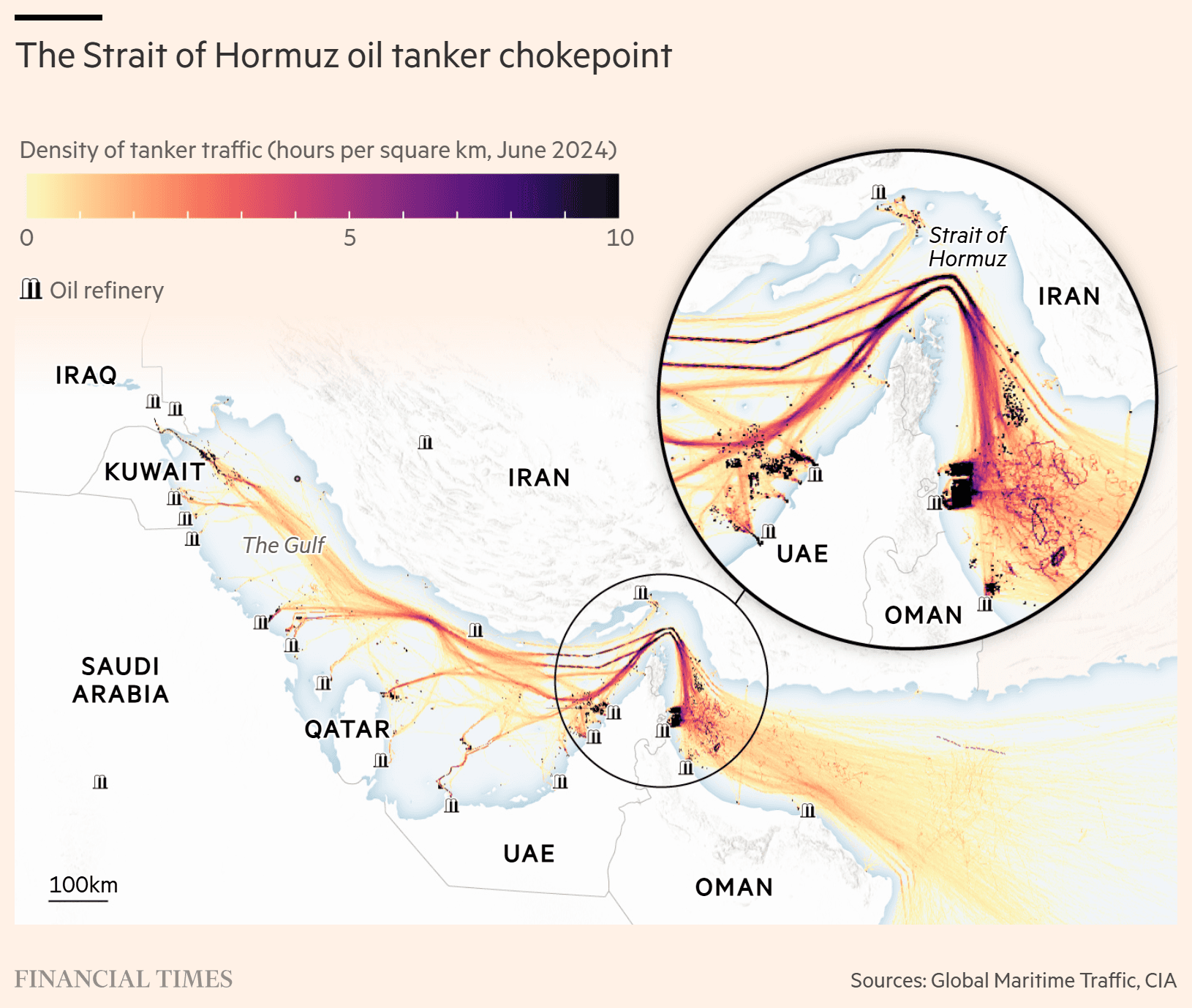
Energy flows depend on a small number of maritime routes. The Strait of Hormuz carries around 20 percent of global oil trade according to the U.S. Energy Information Administration. Disruptions in this corridor now produce immediate global effects. Recent developments show that states are willing to directly contest access. This marks a shift from risk management to active control.
Why chokepoints matter again
Energy chokepoints concentrate risk. A single disruption can affect multiple regions at once. States rely on these routes for both economic stability and political leverage. The current crisis shows how quickly local conflict spreads into global markets.
From deterrence to direct action
Military presence in key waterways is no longer symbolic. States are now enforcing access or denial. Naval deployments, escorts, and interdictions are increasing. This signals a move from deterrence to operational control.
Impact on global markets
Oil price volatility increases immediately after disruptions. Shipping insurance costs rise. Supply chains adjust with delays and higher costs. According to the IMF, energy shocks directly affect inflation and growth forecasts.
Alliance responses and coordination
States are coordinating maritime security efforts. European and regional actors are expanding their operational roles. This reduces reliance on a single security provider. It also increases the number of actors in contested zones.
Long term strategic implications
Energy security is shaping foreign policy decisions. States are investing in alternative routes and storage capacity. Diversification is now a strategic priority. Control over supply lines is becoming a core element of power.
Conclusion
Energy chokepoints now sit at the center of geopolitical competition. Control over these routes affects markets, alliances, and military planning. States are acting before stability returns. This trend links economic resilience with security strategy. It will remain a defining feature of global politics.
Go Back