Why Europe Is Quietly Rebuilding Its Security Role
Date
Jul 4, 2024
Category
Uncategory
European security policy is changing. For years, the region relied heavily on NATO and U.S. leadership. Recent developments show a shift toward independent coordination. Political and external pressures are driving this change.
Political alignment inside the EU
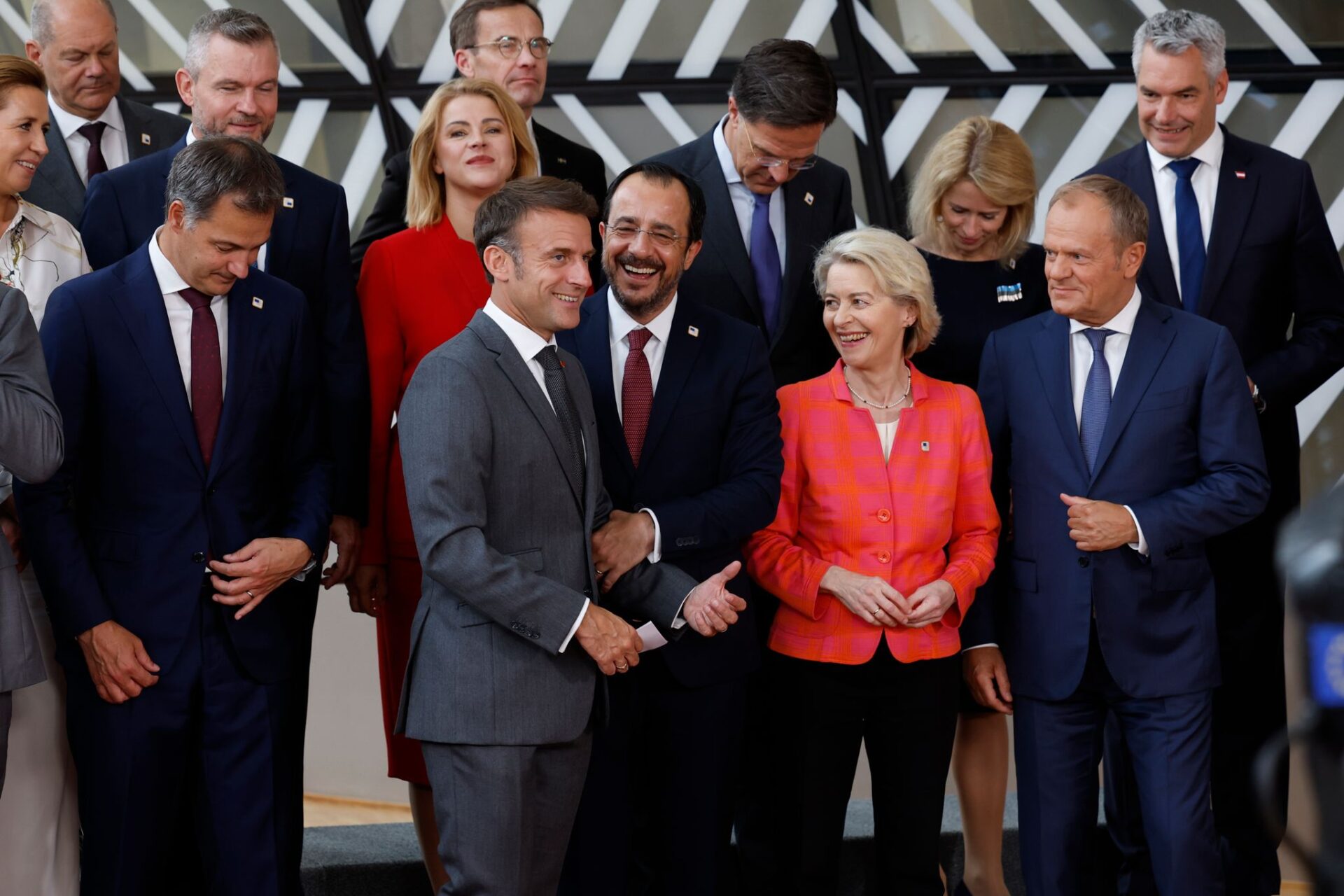
Leadership changes are reducing internal divisions. Pro EU governments are strengthening coordination. This allows faster decision making on external issues. Cohesion supports more consistent policy.
From diplomacy to operational planning
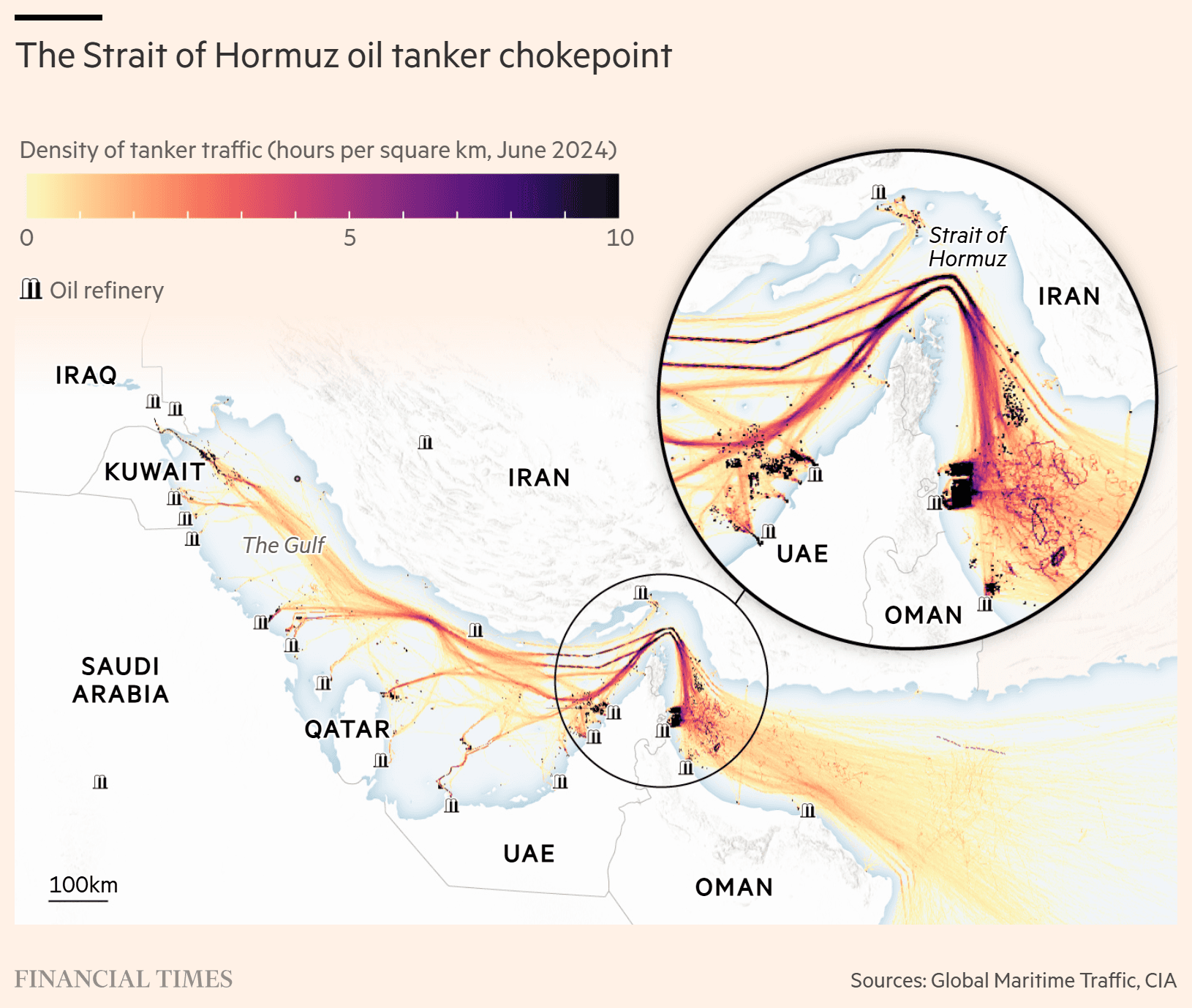
European states are moving beyond statements. They are planning and participating in joint operations. Maritime security initiatives show this shift clearly. Action is replacing passive support.
Drivers of the shift
External threats are a key factor. Energy insecurity and regional conflicts affect European stability. Dependence on external actors is seen as a vulnerability. States are responding by building capacity.
Security beyond NATO
European coordination is expanding outside NATO structures. This does not replace NATO. It complements it. It also gives Europe more flexibility in responding to regional crises.
Implications for global influence
A more active Europe increases its geopolitical weight. It can shape outcomes rather than react to them. This changes its role in alliances and negotiations. It also affects relations with major powers.
Conclusion
Europe is adjusting its security role in response to internal and external pressures. Coordination is increasing across political and military domains. This shift strengthens its position in global affairs. It also reduces fragmentation within the region. The result is a more capable and assertive actor.
Go Back